
Understanding the Modern CSR Strategy Landscape
The landscape of Corporate Social Responsibility (CSR) is evolving rapidly. In 2025, a successful CSR strategy goes beyond symbolic donations or PR campaigns — it’s about measurable impact, transparency, and alignment with business objectives. Modern organizations are integrating social purpose into their operations, empowering employees, and leveraging CSR software to monitor and scale results.
An impact-driven CSR strategy transforms good intentions into sustainable business outcomes. It enables companies to foster deeper connections with communities, employees, and stakeholders while enhancing long-term brand reputation
In this report, we’ll explore the key trends shaping Impact-Driven CSR in 2025 and provide actionable insights for businesses looking to make a real difference. Charity Karma is your partner in navigating this evolving landscape. Our innovative SaaS platform empowers companies, NGOs, and donors to collaborate seamlessly for social good. Whether you’re an employer looking to boost employee engagement, an NGO striving to scale your impact, or a donor eager to track your philanthropic journey, Charity Karma provides the tools you need to make meaningful contributions and demonstrate measurable results.

Key Trends Shaping CSR in 2025
Trend 1: Purpose-Driven Profit
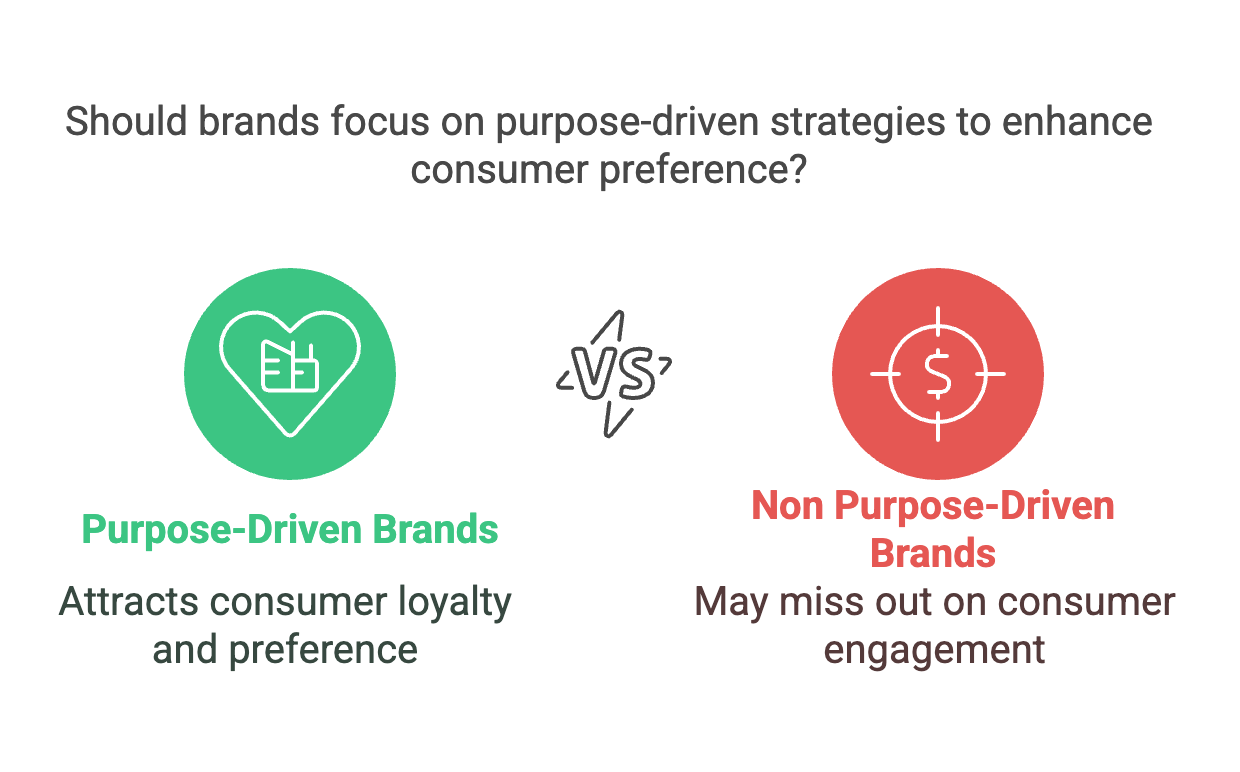
Today’s consumers, especially younger generations, expect brands to reflect their values. A 2023 Cone Communications study found that 87% of consumers are willing to switch to a brand that supports a cause they believe in.
A strong CSR strategy connects purpose directly to business value. Companies are moving beyond one-time donations toward integrated corporate sustainability models that embed positive impact into their supply chains, product design, and operations.
Actionable Insight: Identify the social issues that resonate most with your target audience and align with your business expertise. Explore opportunities to create products or services that address these issues, or implement sustainable practices throughout your supply chain.
Charity Karma Tie-in: Charity Karma’s impact reporting and donor CRM features enable you to track and demonstrate the social impact of your purpose-driven initiatives, building trust with consumers and investors.
Trend 2: Employee Engagement as a CSR Driver
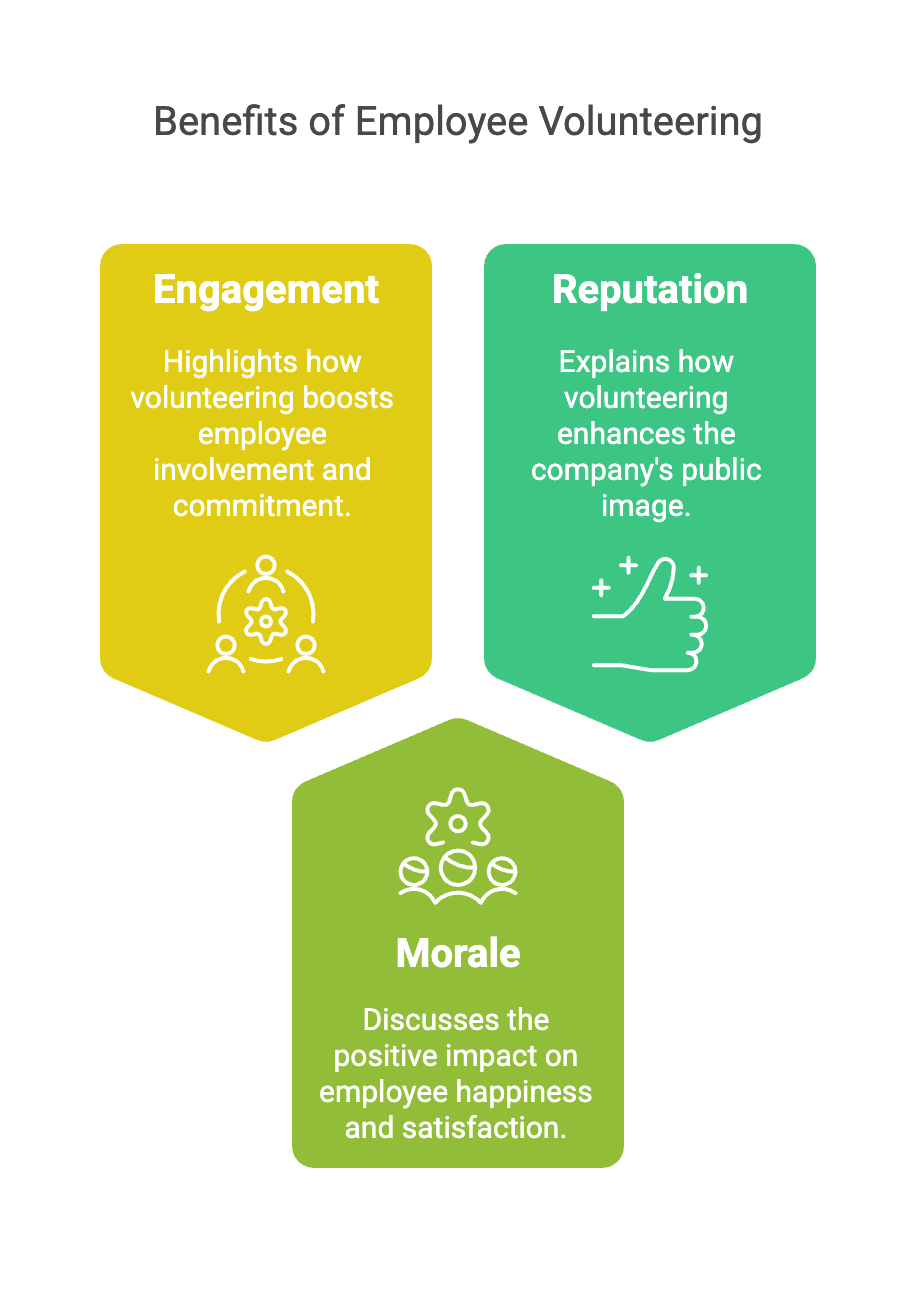
An authentic CSR strategy also starts from within. Millennials and Gen Z workers prefer employers who invest in employee volunteering and community engagement. Deloitte’s 2022 report shows that 70% of millennials choose companies with a strong sense of purpose.
Employee-driven CSR boosts morale, retention, and productivity. It turns passive employees into active ambassadors for social change.
Actionable Insight: Create engaging employee volunteering programs that align with employee interests and skills. Offer opportunities for workplace giving and donation matching. Foster a culture of impact by celebrating employee contributions and sharing stories of positive change.
Charity Karma Tie-in: Charity Karma’s employee volunteering management, donation matching, leaderboards, and storytelling tools make it easy to implement and manage impactful employee engagement programs.
Trend 3: Transparency and Measurable Impact
“Greenwashing,” or overstating social impact, is now a major risk. Stakeholders demand verifiable results and ethical transparency. The 2021 GlobeScan Healthy & Sustainable Living Report found that a large majority of global consumers expect companies to actively contribute to a better world through sustainable and responsible business practices. This growing demand for transparency means that organizations must back up their CSR claims with measurable data and authentic communication
A modern CSR strategy prioritizes data-backed reporting and accountability. Using CSR software to track KPIs like volunteer hours, donations, and beneficiary outcomes helps companies gain stakeholder trust.
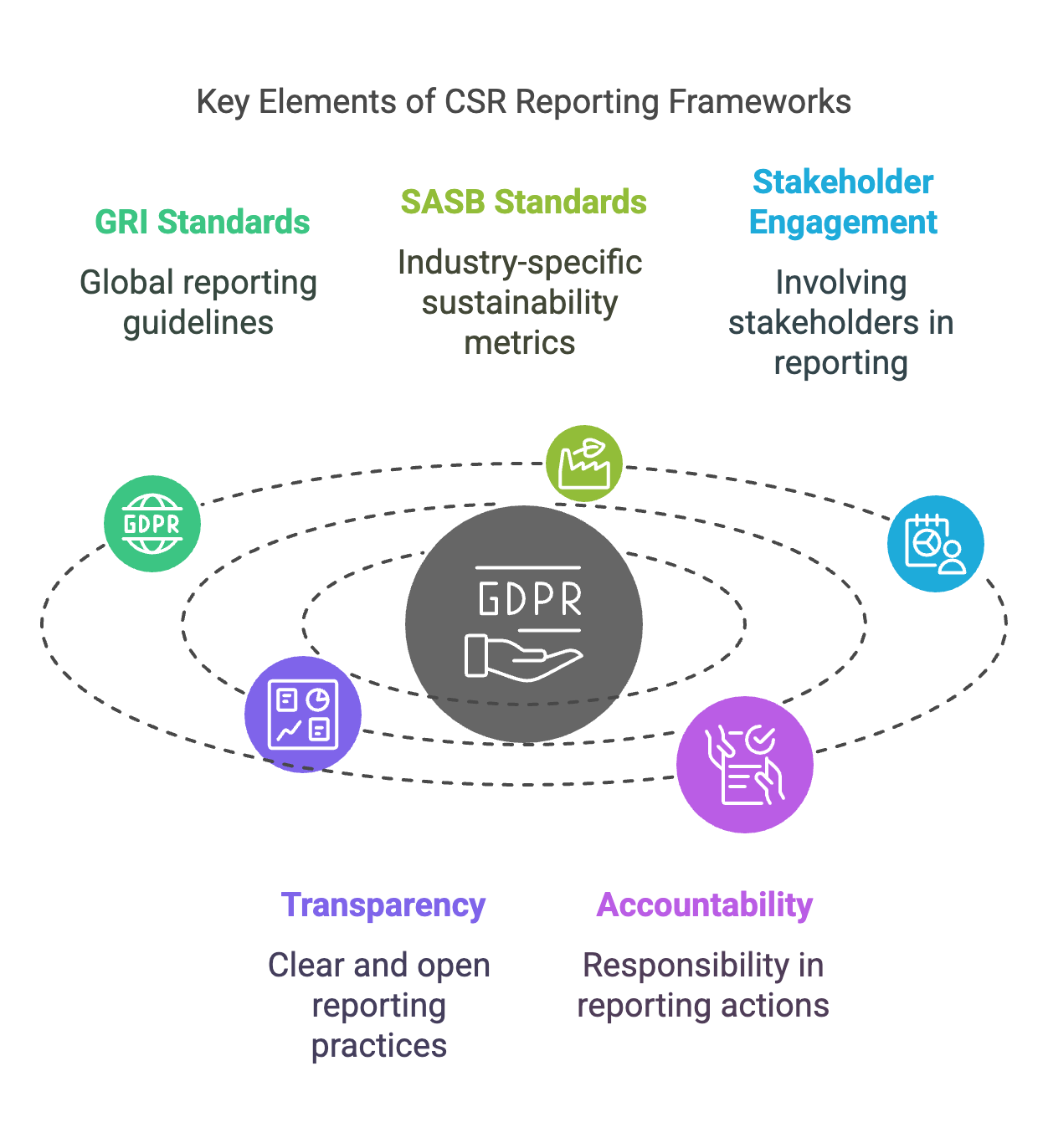
Actionable Insight: Set clear and measurable CSR goals. Track your progress diligently and communicate your impact transparently through regular reports and public disclosures. Embrace recognized reporting frameworks such as the Global Reporting Initiative (GRI) or the Sustainability Accounting Standards Board (SASB).
Charity Karma Tie-in: Charity Karma’s robust impact reporting and data analytics dashboards make it easy to track, measure, and communicate your CSR performance, ensuring transparency and accountability.
Trend 4: Technology Integration for Scale
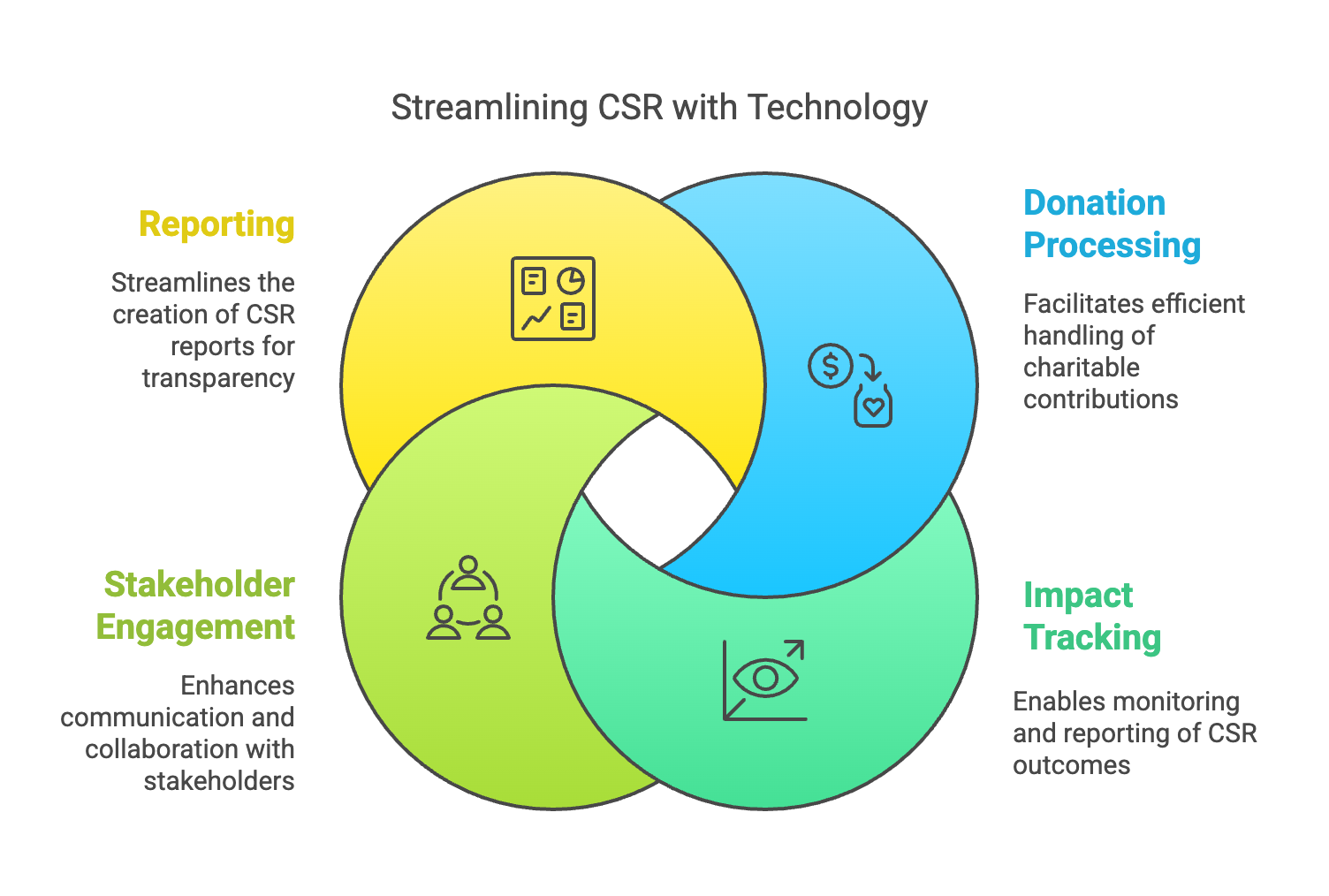
Scaling social initiatives requires technology. Leading companies now rely on CSR management platforms to centralize employee engagement, donation management, and social impact reporting.
Actionable Insight: Invest in a comprehensive CSR platform that integrates all aspects of your initiatives, from employee engagement to impact reporting. Look for solutions that offer automation, data analytics, and seamless integration with other business systems.
Charity Karma Tie-in: Charity Karma is the ideal technology solution for addressing this trend. Our platform streamlines donations, volunteer management, impact tracking, and stakeholder engagement, enabling you to scale your CSR efforts efficiently and effectively.
Trend 5: Collaboration and Partnerships
No company achieves lasting social impact alone. The next phase of CSR strategy focuses on NGO collaboration and cross-sector partnerships. A 2020 BCG study found that 76% of organizations working with nonprofits reported positive business outcomes.
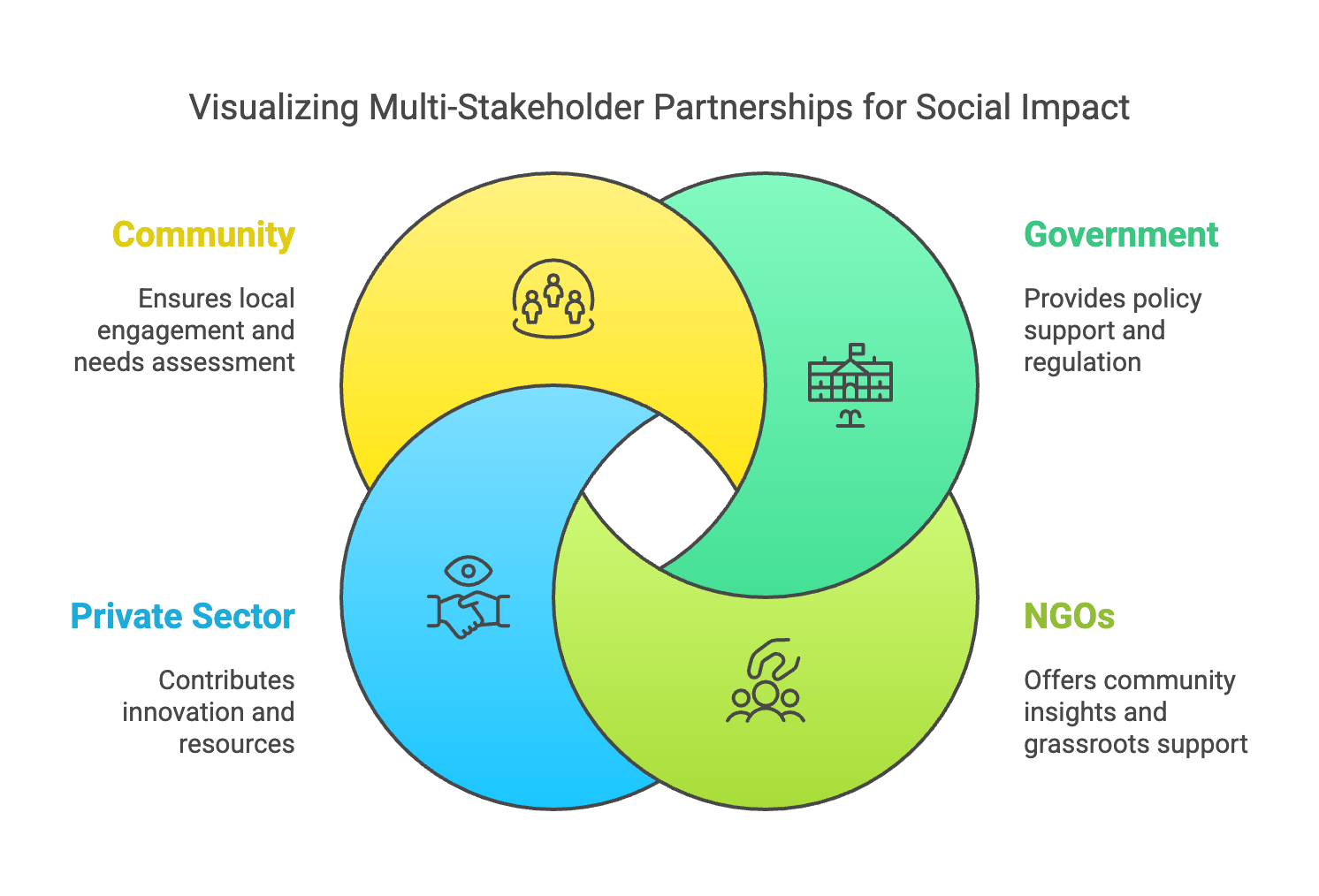
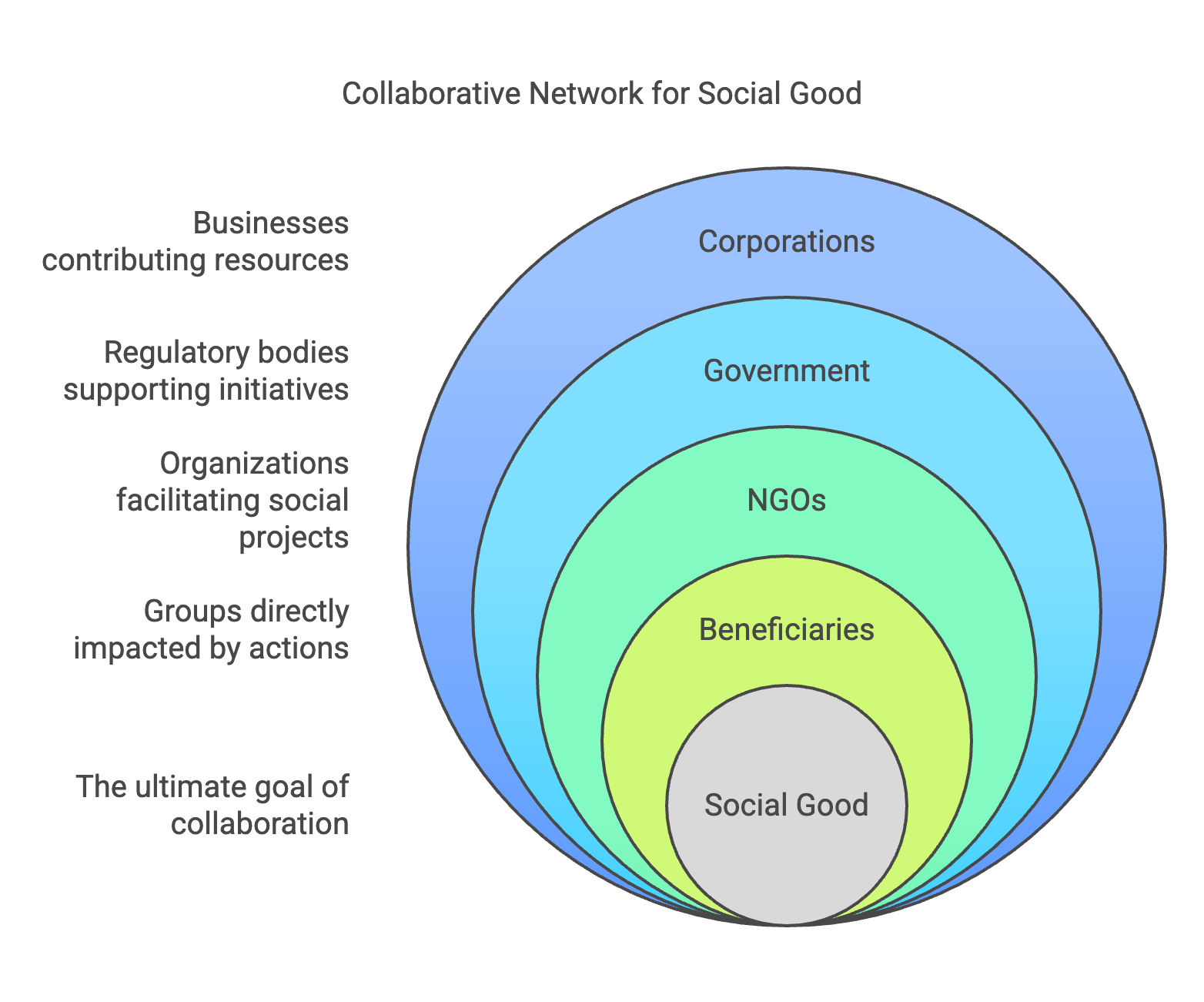
Actionable Insight: Identify NGOs and other organizations whose missions align with your CSR goals. Explore opportunities to form strategic partnerships that leverage the strengths of each organization to achieve greater impact.
Charity Karma Tie-in: Charity Karma’s platform connects businesses with NGOs, facilitating collaboration and enabling you to build meaningful partnerships that drive positive change.
Conclusion
The most successful businesses in 2025 are those that treat CSR strategy as core to their mission — not as an add-on. By combining purpose, technology, and measurable outcomes, companies can drive growth while contributing to societal good.
An effective CSR strategy unites employees, builds brand equity, attracts investors, and fosters community trust. It’s both a moral imperative and a competitive advantage.
Charity Karma empowers organizations to design, manage, and measure every aspect of their CSR initiatives. From employee volunteering to impact analytics, our platform provides everything you need to execute a transparent, purpose-driven CSR strategy.
What Our Clients Say:
“Charity Karma has completely transformed how we approach CSR. Our employees are more engaged, and the platform’s transparency has been a game-changer for our reporting.” – Sarah M., CHRO, Pixtara
“We’ve seen incredible employee participation and social impact results since adopting Charity Karma. It’s truly a win-win for everyone.” – Abhisarika D., Founder, Kloc
“The ease of use and comprehensive features have made Charity Karma our go-to solution for all CSR initiatives. Highly recommended!” – Emily R., CSR Manager, Dynorate
Ready to embrace the future of CSR? Request a demo of Charity Karma today!